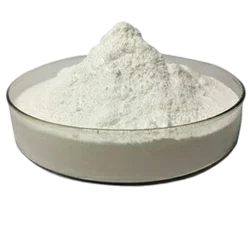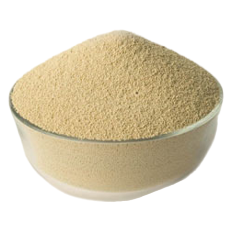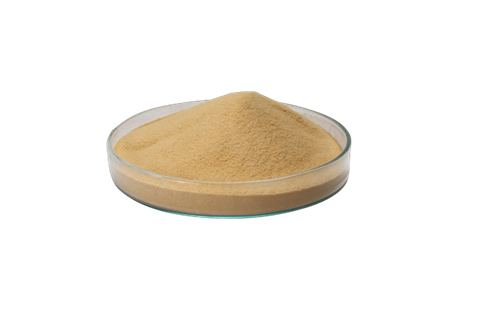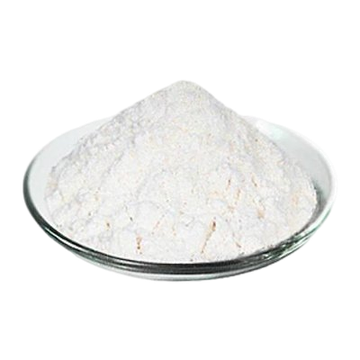


乳酸
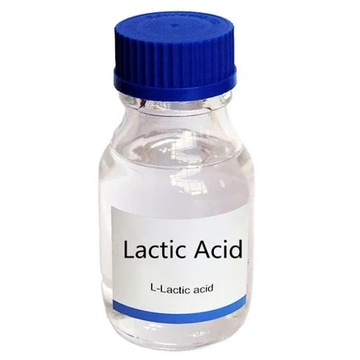
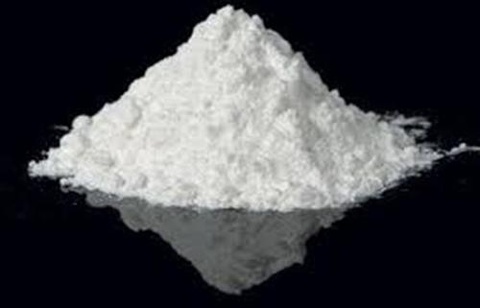
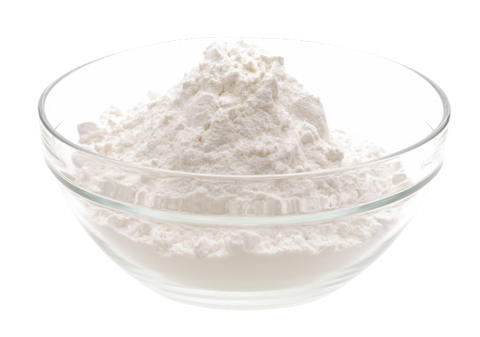
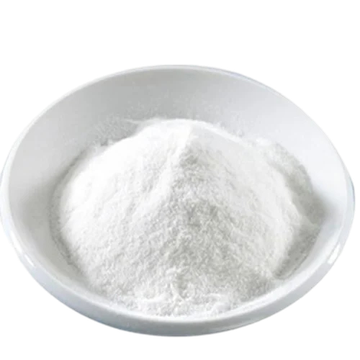
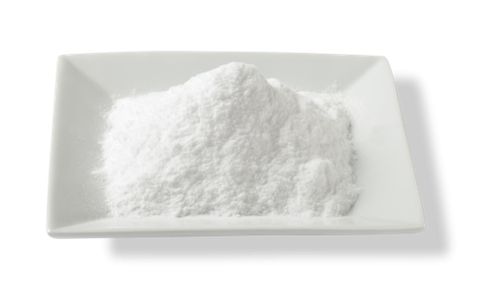
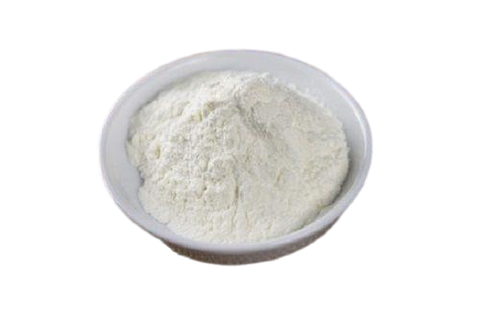
Lactic acid is used in the beverage industry for pH adjustment, offering a milder acidity compared to citric acid, which is beneficial for flavor…
Clarity, flavour, yield and stability
Rawplex supplies raw materials to beverage manufacturers producing juices, soft drinks, sports and functional drinks: acidulants such as citric, phosphoric, lactic and fumaric acid, pectinase and amylase enzymes for juice processing, dextrose and maltodextrin, prebiotic fibres, plant protein and vitamins. Each material ships from China with a batch CoA, and product pages publish grade, solubility and MOQ.
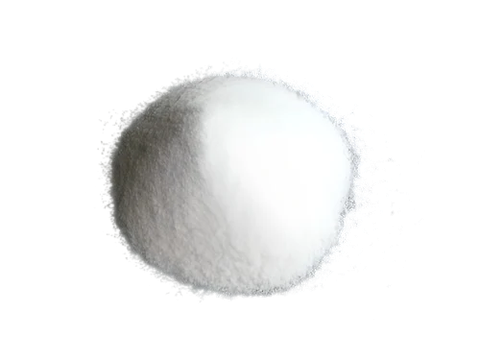
Lactic acid is used in the beverage industry for pH adjustment, offering a milder acidity compared to citric acid, which is beneficial for flavor…
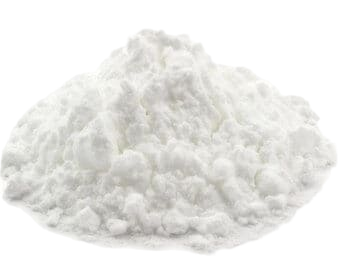
Fumaric acid is used in dry beverage mixes to provide a strong sour flavor while minimizing caking, enhancing the overall taste profile of the…
Citric acid anhydrous serves as an acidulant in dry beverage applications, providing tartness and flavor enhancement in instant drink powders and…
Citric acid monohydrate is a key acidulant in beverages, regulating pH and enhancing flavor while also contributing to microbial stability in…
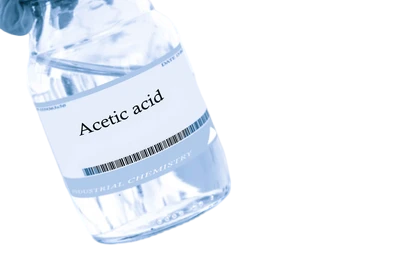
Acetic acid is used in the beverage industry as a preservative and acidulant, helping to enhance flavor and extend shelf life in various drink…
Vitamin B12 is added to fortified beverages to enhance nutritional content, particularly in plant-based drinks targeting health-conscious consumers.
Vitamin B5 is included in beverage formulations to support overall nutritional value, often found in energy drinks and health supplements.
Vitamin B6 is utilized in energy drinks and nutritional beverages to support amino acid metabolism, enhancing the functional benefits of the product.
Vitamin E is incorporated into beverages as an antioxidant, protecting fats from oxidation and improving the shelf life of the product.
Inositol is incorporated into energy drinks and nootropic supplements, contributing to nutritional value and supporting cognitive function in…
Dextrose monohydrate acts as a bulk sweetener in beverages, offering a rapidly available source of glucose for energy and enhancing flavor profiles.
Dextrose anhydrous is used in dry beverage mixes and effervescent tablets as a quickly available carbohydrate that adds no moisture to the blend.
Maltodextrin serves as a bulking agent in beverage powders, adding body without sweetness and enhancing the texture of sports nutrition drinks.
Papain enzyme is applied in the beverage industry for chill-proofing beer, effectively removing haze-forming proteins to improve clarity and…
Pectinase enzyme is utilized in juice and wine production for clarification, increasing yield and improving the overall quality of the final beverage.
Amylase enzyme is utilized in the beverage industry for mashing processes, converting starches into fermentable sugars essential for brewing and…
Isomalto-oligosaccharides are utilized in beverages to provide mild sweetness and body while also serving as a prebiotic fiber to support digestive…
Fructo-oligosaccharides are included in functional beverages to promote gut health, serving as a prebiotic that supports beneficial bacteria in the…
Calcium chloride is employed in the beverage industry to adjust the mineral content of water, enhancing the taste and stability of various drink…
Sodium bicarbonate is employed in the beverage industry as a buffering agent, helping to stabilize pH levels in various drink formulations.
Pea protein is used in plant-based and sports beverages to raise protein content, providing a dairy-free and soy-free protein source.
No products match your filters.
Pectinase breaks down pectin to raise press yield and help clarification, and amylase removes starch haze. Both are quoted by declared activity.
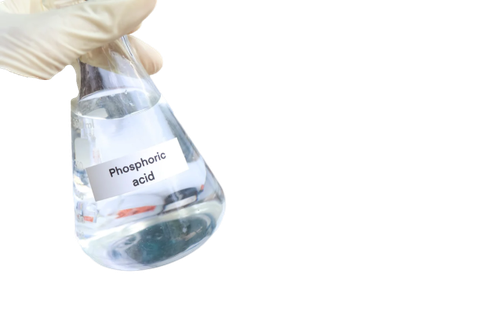
Citric, phosphoric, lactic and fumaric acids are supplied in food grade with assay and impurity limits on the CoA, so your pH and flavour profile stay consistent.
Dextrose and maltodextrin give carbohydrate and body in sports drinks; FOS and IMO support fibre claims; vitamins support fortification.
We state solubility and appearance for every ingredient, so what you add dissolves cleanly and does not change colour or taste.
Tell us the ingredient, grade, the drink it goes into and your volume. We match the specification to your process.
Where available we send a sample with the TDS, MSDS and a batch CoA, so your QC can test before you commit to volume.
You receive a firm quotation with FOB or CIF terms; mixed ingredients can travel in one container.
Documents available for beverage ingredients:
Citric acid (anhydrous and monohydrate), phosphoric acid, lactic acid, fumaric acid and acetic acid, each with its grade and specification on the product page.
Pectinase breaks down pectin in fruit cell walls, which increases juice yield at the press and helps clarification and filtration.
Both work as acidulants. The monohydrate contains about 8.6% water, so compare prices on an anhydrous basis; anhydrous is preferred in dry mixes and powders.
Yes: dextrose and maltodextrin for carbohydrate, plus vitamins B5, B6, B12 and E. Product pages list grades and MOQ.
Normally within one business day, with the TDS and CoA for the offered batch attached.
Tell us the material, grade and quantity and we will reply with a quotation, normally within one business day.
Request a quotation