

纺织与皮革 production
Industry

Raw materials for 纺织与皮革

Bio-polishing, desizing and finishing

  • 7 products
  • 3 categories
  • CoA with every shipment
  • FOB / CIF, sea or air
Chat on WhatsApp

Rawplex supplies process chemicals and enzymes to textile and leather manufacturers: cellulase for bio-polishing and denim finishing, pectinase for bio-scouring cotton, protease for leather processing, and formic acid, acetic acid and ammonium chloride for pH control, dyeing and tanning. Materials ship from China with a batch CoA, and acids travel with full dangerous-goods documents.

7 products

有机酸 3

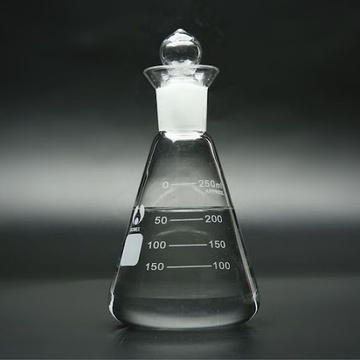
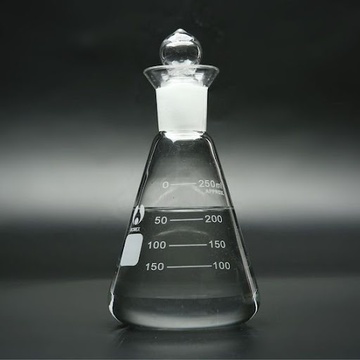
85% 甲酸 有机酸
Feed Grade

85% 甲酸

CAS 64-18-6 · MOQ 500 kg

Formic acid 85% is utilized in the leather industry for tanning processes, providing effective pH control and aiding in the preservation of leather…
View specs
99% 甲酸 有机酸
Industrial Grade

99% 甲酸

CAS 64-18-6 · MOQ 500 kg

In the Textile & Leather industry, Formic Acid 99% is valued as a organic acid that helps enable efficient bio-polishing, desizing, scouring and…

View specs
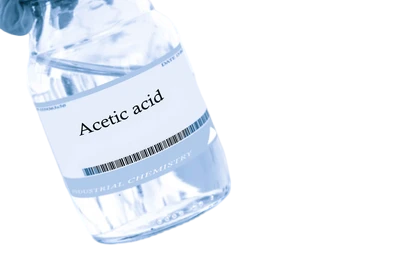
醋酸 有机酸
Food Grade

醋酸

CAS 64-19-7 · MOQ 500 kg

In the Textile & Leather industry, Modified Acetic Acid is valued as a organic acid that helps enable efficient bio-polishing, desizing, scouring and…

View specs

3

果胶酶
Food Grade

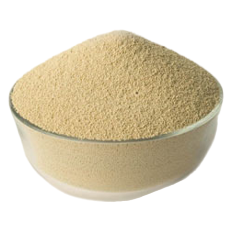
果胶酶

CAS 9032-75-1 · MOQ 25 kg

Pectinase enzymes are employed in textile processing for bioscouring cotton, offering a gentler alternative to caustic methods for removing…

View specs
纤维素酶
Food Grade

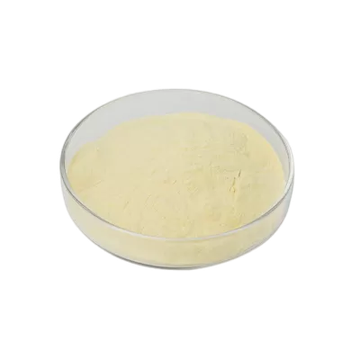
纤维素酶

CAS 9012-54-8 · MOQ 25 kg

Cellulase enzymes are used in textile processing for biopolishing cotton and in denim finishing to achieve a worn appearance, enhancing the fabric's…

View specs
蛋白酶
Food Grade

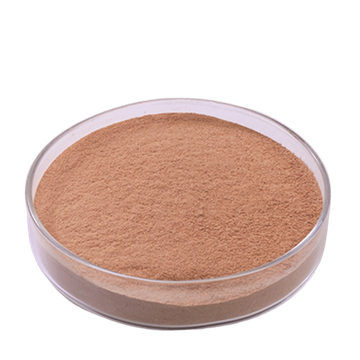
蛋白酶

CAS 9001-92-7 · MOQ 25 kg

Protease enzymes are used in tanneries for bating and dehairing hides, facilitating the removal of proteins during leather production.

View specs

矿物盐 1

氯化铵 矿物盐
Food Grade

氯化铵

CAS 12125-02-9 · MOQ 1 MT

In the Textile & Leather industry, Ammonium Chloride is valued as a organic acid that helps enable efficient bio-polishing, desizing, scouring and…

View specs

How Rawplex helps textile and leather processors

Cleaner fabric surface

Cellulase removes protruding fibres for bio-polishing and gives denim its worn look with less pumice.

Gentler cotton preparation

Pectinase bio-scouring removes pectin from cotton at milder conditions than conventional alkaline scouring.

pH control in dyeing and tanning

Formic and acetic acids are supplied with concentration and impurity limits, for dye fixation, pickling and chrome tanning pH control.

Leather processing enzymes

Protease is used in soaking, dehairing and bating stages, quoted by declared activity.

  1. 1

    Specify

    Tell us the process stage, the product and concentration, and your monthly volume.

  2. 2

    Samples and documents

    Where available we send a sample with the TDS, MSDS and a batch CoA, so your QC can test before you commit to volume.

  3. 3

    Quote and ship

    We quote FOB or CIF; acids are packed and documented for dangerous-goods transport where required.

Compliance and documents

Documents available for textile and leather materials:

  • Batch CoA with concentration or activity
  • MSDS and dangerous-goods classification for acids
  • TDS with recommended dosing conditions

Frequently asked questions

What is bio-polishing?

A cellulase treatment that removes small protruding fibres from cotton fabric, reducing pilling and giving a smoother surface.

Why use formic acid in leather?

Formic acid lowers pH during pickling and fixes chrome at the end of tanning; it is also used to fix dyes.

Formic acid 85% or 99% for leather?

Both are used; 85% is the common industrial grade, 99% gives more acid per tonne. Compare offers on 100% acid basis.

What is bio-scouring?

Removing pectin and waxes from cotton with pectinase instead of hot caustic soda, which saves energy and water.

Do you supply ammonium chloride?

Yes; it is used as a deliming agent in leather and as a dyeing auxiliary. See its product page for specification and MOQ.