

棕榈酸维生素A
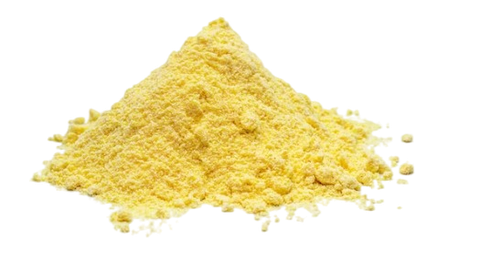
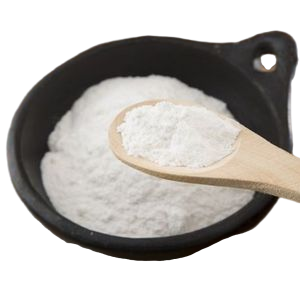
Vitamin A palmitate is added to animal feed premixes to support growth and development in livestock.
Feed efficiency, gut health and performance
Rawplex supplies feed additives to feed mills, premix producers and integrators: choline chloride in 60%, 75% and 98% grades, formic and propionic acids, phytase, xylanase and protease enzymes, Bacillus and lactic probiotics, betaine, DL-methionine and the full vitamin range. Materials ship from China with a batch CoA and published MOQ.
Vitamin A palmitate is added to animal feed premixes to support growth and development in livestock.
Vitamin B12 is included in animal feed premixes to ensure adequate nutrition and support metabolic functions in livestock.
Vitamin B1 is added to animal feed premixes to support energy metabolism and overall health in pigs and poultry.
Vitamin B2 is used in animal feed premixes to ensure proper energy production and support growth in livestock.
Vitamin B3 is included in animal feed premixes to support metabolic processes and overall health in poultry and swine.
Vitamin B5 is added to animal feed premixes to support energy metabolism and overall health in livestock.
Vitamin B6 is included in animal feed premixes to aid in amino acid metabolism and support growth in high-protein diets.
Vitamin B7 is added to animal feed premixes to support hoof health and overall well-being in livestock.
Vitamin B9 is included in animal feed premixes to support cellular functions and overall health in livestock.
Vitamin D3 is added to animal feed to support calcium metabolism and bone development in poultry and swine.
Vitamin E is included in animal feed to protect fats from oxidation and improve meat quality and shelf life.
Inositol is included in aquaculture feeds to support growth and overall health in shrimp and fish.
Formic acid 85% is used in animal feed to prevent mould during storage, ensuring feed safety and quality.
Formic acid 99% is applied in animal feed as a preservative to inhibit microbial growth and maintain feed quality.
Propionic acid is used in animal feed to inhibit mould growth during storage, ensuring feed safety and longevity.
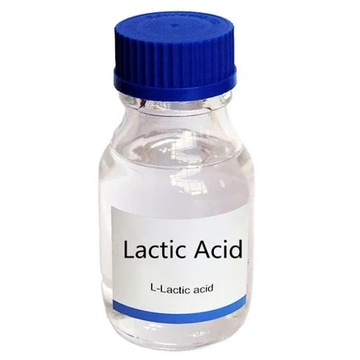
Lactic acid is used in animal feed as an acidity regulator and antimicrobial agent, improving feed safety and quality.
Fumaric acid is used in animal feed as an acidulant, enhancing palatability and improving nutrient absorption.
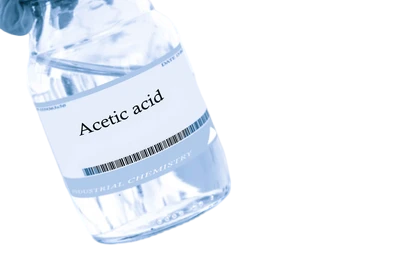
Acetic acid is used in animal feed as a pH regulator and preservative, helping to maintain feed quality and stability during storage.
Bacillus licheniformis is included in animal feed to promote gut health and improve nutrient absorption in poultry and swine.
In the Animal Feed & Nutrition industry, Lactobacillus casei is valued as a probiotic that helps raise feed efficiency, gut health and growth…
Bacillus subtilis is used in animal feed to support gut health and pathogen exclusion, particularly in poultry and aquaculture.
In the Animal Feed & Nutrition industry, Lactobacillus plantarum is valued as a probiotic that helps raise feed efficiency, gut health and growth…
In the Animal Feed & Nutrition industry, Enterococcus is valued as a probiotic that helps raise feed efficiency, gut health and growth performance…
Xylanase enzyme is used in animal feed to improve feed conversion by reducing digesta viscosity in poultry diets.
Phytase enzyme is included in animal feed to release phosphorus from phytate, reducing the need for inorganic phosphate supplementation.
In the Animal Feed & Nutrition industry, Lysozyme Enzyme is valued as a enzyme that helps raise feed efficiency, gut health and growth performance…
Cellulase enzyme is utilized in animal feed to enhance the digestibility of fibrous ingredients, improving nutrient availability for livestock.
Protease enzyme is added to animal feed to improve amino acid availability, enhancing overall nutritional value for livestock.
DL-methionine is supplemented in poultry diets to meet amino acid requirements, enhancing growth and reducing nitrogen excretion.
L-carnitine is added to animal feed to enhance fat metabolism and improve feed conversion efficiency in livestock.
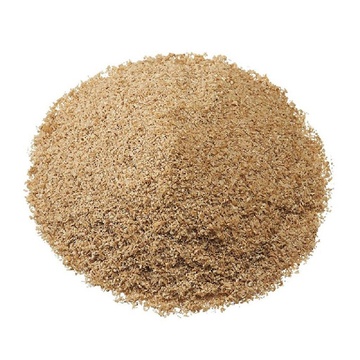
Betaine anhydrous is added to animal feed to help maintain performance under heat and salinity stress, improving overall growth and health.
Choline chloride 60% is added to animal feed to supply choline, essential for fat metabolism and preventing developmental issues in poultry.
Choline chloride 75% is used in liquid animal feed formulations for easy handling and to provide necessary choline for livestock.
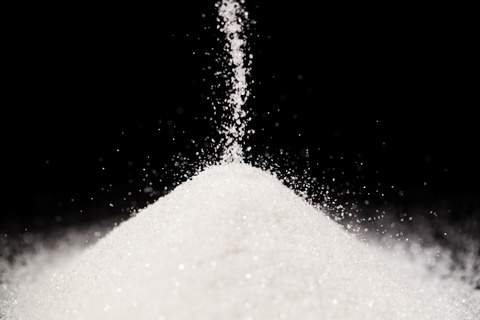
Choline chloride 98% is included in high-density animal feed premixes to supply choline without the bulk of carrier materials.
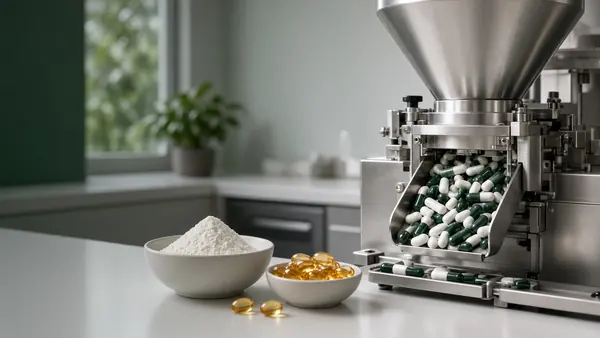
Ammonium chloride is used in ruminant and pet feed as a urinary acidifier, helping to reduce the risk of urinary stones in male sheep, goats and…
Sodium bicarbonate is used in animal feed as a rumen buffer, helping to maintain optimal pH levels in high-yielding cows.
No products match your filters.
Spore-forming Bacillus strains tolerate conditioning and pelleting heat. We state the viable count and form so you choose the right product for pelleted or mash feed.
Choline chloride and acids are quoted per grade with the active content stated, so you can compare offers on cost per kilogram of active ingredient.
Phytase releases phytate-bound phosphorus and xylanase reduces the viscosity of wheat and barley diets. Both are quoted by declared activity units.
Formic and propionic acids are supplied for feed acidification and mould control, with concentration and impurity limits on the CoA.
Tell us the additive, grade or activity, species and feed form (mash or pellet) and the monthly volume.
Where available we send a sample with the TDS, MSDS and a batch CoA, so your QC can test before you commit to volume.
We quote FOB or CIF. Liquid acids and choline 75% are packed in drums or IBCs; powders in bags.
Documents available for feed additives:
60% on a carrier suits dry premix; 75% is a liquid for mills with liquid dosing; 98% is the crystalline grade. Compare offers on cost per kilogram of choline, not per kilogram of product.
Bacillus subtilis and B. licheniformis form spores that tolerate typical conditioning and pelleting temperatures much better than non-spore-forming strains.
Phytase releases phosphorus bound in phytate in plant ingredients, which allows lower inorganic phosphate inclusion.
85% is the common feed grade and has a lower freezing point; 99% delivers more acid per tonne. Our buyer guide compares both.
Yes: vitamins A, B1, B2, B3, B5, B6, B7, B8, B9, B12, D3 and E, each with specification and MOQ on its product page.
Tell us the material, grade and quantity and we will reply with a quotation, normally within one business day.
Request a quotation