
 English
 Français
 Español
 Deutsch
 العربية
Enterococcus
Enterococcus is a genus of gram-positive, facultatively anaerobic lactic-acid bacteria, notable for tolerating bile salts, a wide pH range and temperatures that most lactic-acid bacteria do not survive. That robustness is why selected strains are used in feed and silage. The genus includes both strains approved as feed additives and clinically significant species, so strain identification - not genus alone - defines the product.
- CoA + TDS with every quotation
- FOB / CIF, sea or air
- Reply within one business day
Commercial Terms
- Minimum order quantity
- 25 kg
- Lead time
- 14-16 days
- HS code
- 300290
- Country of origin
- China
- Packaging
- 10 kg or 25 kg aluminium-foil bags with desiccant in cartons; cold chain - reefer container or air freight
- Storage conditions
- Store at 2-8 C in the original sealed foil bag with desiccant; CFU count declines above 25 C.
- Shelf life
- 18 months
Quantities, Incoterm and destination port are confirmed on quotation. Request a quote for a firm price.
Specification
Physical Properties
- Physical Form
- Powder
- Appearance / Color
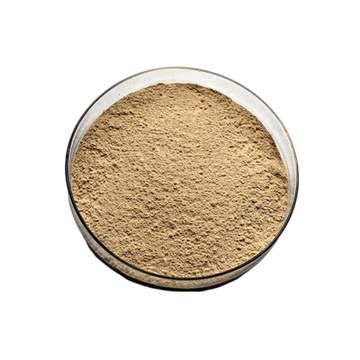
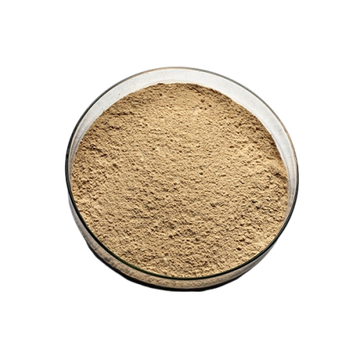
- Off-white to cream free-flowing powder
- Solubility
- Dispersible
- Odor
- Characteristic
Chemical / Quality
- Grade
- Food Grade
- Purity / Assay
- declared CFU/g at date of manufacture
Compliance & Handling
- Allergen Status
- Allergen-Free
- Storage
- Refrigerated (2-8°C)
- Shelf Life
- 18 months
Application / Intended Use
Enterococcus strains are used as feed probiotics and silage inoculants. In animal nutrition they are included in piglet and calf diets to stabilise gut flora during weaning; in silage they accelerate the initial pH drop. Strain identity matters here more than in most products, because the genus includes both approved feed strains and clinically relevant species.
Specification Parameters
| Item | Standard / Limit | Unit | Test Method |
|---|---|---|---|
| Physical & Chemical | |||
| Appearance | Off-white to light tan powder | Visual | |
| Viable count | As declared on the CoA (typical 1 × 10^10 to 1 × 10^11) | CFU/g | GB 4789.35 |
| Moisture | ≤ 5.0 | % | GB 5009.3 |
| Fineness (through 60 mesh) | ≥ 95 | % | Sieve |
| Microbiological | |||
| Coliforms | ≤ 10 | CFU/g | GB 4789.3 |
| Salmonella | Negative / 25 g | GB 4789.4 | |
| Heavy Metals | |||
| Lead (Pb) | ≤ 1 | mg/kg | GB 5009.12 |
| Arsenic (As) | ≤ 0.5 | mg/kg | GB 5009.11 |
| Other | |||
| Strain designation | Provided with quotation | Supplier certificate | |
| Transport classification | Not regulated as dangerous goods for transport | IMDG / ADR | |
Applications by Industry
In the Animal Feed & Nutrition industry, Enterococcus is valued as a probiotic that helps raise feed efficiency, gut health and growth performance. It is suited to poultry, swine, ruminant and aqua diets at controlled, stable inclusion rates. Rawplex supplies it with full COA/TDS documentation, consistent quality and worldwide export support.
In the Agriculture industry, Enterococcus is valued as a probiotic that helps support crop yield, soil health and silage quality. It is applied as a dependable, traceable input across modern agricultural and feed operations. Rawplex supplies it with full COA/TDS documentation, consistent quality and worldwide export support.
Frequently asked questions
What is Enterococcus?
Enterococcus is a genus of gram-positive, facultatively anaerobic lactic-acid bacteria, notable for tolerating bile salts, a wide pH range and temperatures that most lactic-acid bacteria do not survive. That robustness is why selected strains are used in feed and silage. The genus includes both strains approved as feed additives and clinically significant species, so strain identification - not genus alone - defines the product.
What is Enterococcus used for?
Enterococcus strains are used as feed probiotics and silage inoculants. In animal nutrition they are included in piglet and calf diets to stabilise gut flora during weaning; in silage they accelerate the initial pH drop. Strain identity matters here more than in most products, because the genus includes both approved feed strains and clinically relevant species.
What is the HS code for Enterococcus?
It is classified under HS code 300290. Confirm the full tariff line with your customs broker, as the last digits vary by country of import.
What is the minimum order quantity for Enterococcus?
The minimum order quantity is 25 kg. Smaller trial quantities can be arranged on request.
What is the lead time for Enterococcus?
Typical lead time is 14-16 days from order confirmation, subject to stock and destination.
How is Enterococcus packaged?
10 kg or 25 kg aluminium-foil bags with desiccant in cartons; cold chain - reefer container or air freight
What purity is Enterococcus supplied at?
Standard specification is declared CFU/g at date of manufacture. A Certificate of Analysis stating the actual batch values is issued with every shipment.
How should Enterococcus be stored, and what is its shelf life?
Store refrigerated. Shelf life is 18 months in unopened original packaging.
Where is Enterococcus sourced from?
It is sourced from China. Rawplex exports worldwide by sea or air with full documentation.
What certifications apply to Enterococcus?
ISO 9001, HACCP, Halal. A batch-specific Certificate of Analysis is issued with every shipment, and MSDS and technical datasheets are available on request.
Related Products
Interested in Enterococcus?
Get a competitive quotation, full documentation and dedicated sourcing support.